Work and Experience
operations • ux first
Cutting 30% Cost per Car in Asia’s Largest Valet Ops
Cutting 30% Cost per Car in Asia’s Largest Valet Ops
COMPANY
32nd
32nd
ROLE
Senior Product Designer
Senior Product Designer
TL;DR
TL;DR
At 32nd Avenue, the valet system was drowning in inefficiency. Controllers sat with registers and pens, assigning tasks and flipping through pages to match tag IDs with hook numbers.
Valets stood idle, waiting for approval instead of moving cars. Customers felt the delays, supervisors carried overhead, and costs kept rising.
We reimagined the flow: digitized task assignment, mapped hook numbers into the app, and handed full ownership to valets. Controllers were removed entirely.
The result — manpower cost per car dropped by 30%, ARPU rose by 20%, and throughput doubled, with peak days touching 6 tasks per hour. The system became faster, leaner, and scalable — powered not by middlemen, but by valets themselves.
At 32nd Avenue, the valet system was drowning in inefficiency. Controllers sat with registers and pens, assigning tasks and flipping through pages to match tag IDs with hook numbers.
Valets stood idle, waiting for approval instead of moving cars. Customers felt the delays, supervisors carried overhead, and costs kept rising.
We reimagined the flow: digitized task assignment, mapped hook numbers into the app, and handed full ownership to valets. Controllers were removed entirely.
The result — manpower cost per car dropped by 30%, ARPU rose by 20%, and throughput doubled, with peak days touching 6 tasks per hour. The system became faster, leaner, and scalable — powered not by middlemen, but by valets themselves.
Setting the Scene,
Setting the Scene,
The Situation
The Situation
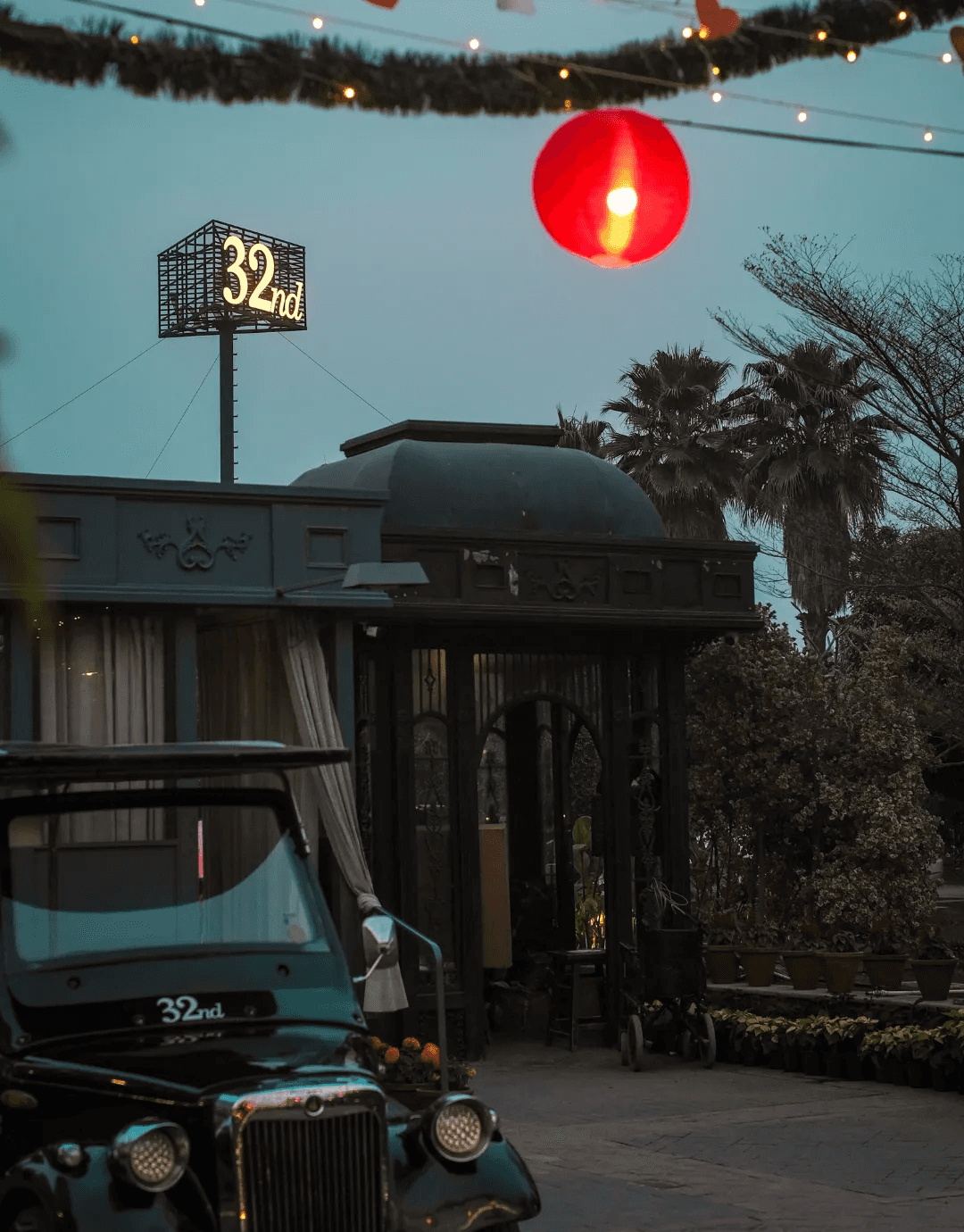
32nd Avenue runs one of the busiest valet operations in Asia — over 400,000 cars a year. At peak hours, the porch resembled controlled chaos: cars piling up, horns blaring, valets waiting in clusters, customers impatient.
Behind the scenes, the system relied on layers of “controllers” to keep order. But the more I observed, the more it felt like too many hands were on the wheel.
32nd Avenue runs one of the busiest valet operations in Asia — over 400,000 cars a year. At peak hours, the porch resembled controlled chaos: cars piling up, horns blaring, valets waiting in clusters, customers impatient.
Behind the scenes, the system relied on layers of “controllers” to keep order. But the more I observed, the more it felt like too many hands were on the wheel.
Cast of characters,
Cast of characters,
Customers
Customers
Arrives, hands over car, expects speed and reliability.
Arrives, hands over car, expects speed and reliability.
Valet
Valet
Moves cars in and out of the system.
Moves cars in and out of the system.
Porch Controller
Porch Controller
Assigns valets at the porch, keeps flow organized.
Assigns valets at the porch, keeps flow organized.
Parking Controller
Parking Controller
Ends Tasks for Valets, Records car entries in registers, manages keys and assign recall parking tasks to valets.
Ends Tasks for Valets, Records car entries in registers, manages keys and assign recall parking tasks to valets.
Supervisor
Supervisor
Oversees discipline and ensures operations run smoothly.
Oversees discipline and ensures operations run smoothly.
The Drama,
The Drama,
The Problem
The Problem
Valets lined up in front of parking controllers like schoolchildren waiting for permission.
A car recall meant flipping through registers, cross-checking hook numbers, and shouting instructions. Each assignment took ~50 seconds.
With 400,000 cars a year, that added up to more than 4,400 wasted hours annually.
Supervisors admitted controllers added cost but little value. Customers felt the delays. Valets knew they could handle more if only they were allowed.
Valets lined up in front of parking controllers like schoolchildren waiting for permission.
A car recall meant flipping through registers, cross-checking hook numbers, and shouting instructions. Each assignment took ~50 seconds.
With 400,000 cars a year, that added up to more than 4,400 wasted hours annually.
Supervisors admitted controllers added cost but little value. Customers felt the delays. Valets knew they could handle more if only they were allowed.
Hypothesis
Hypothesis
Valets were self-sufficient. If the system let them claim and close tasks themselves, controllers could be eliminated — cutting costs, speeding flow, and doubling throughput.
Valets were self-sufficient. If the system let them claim and close tasks themselves, controllers could be eliminated — cutting costs, speeding flow, and doubling throughput.
Research and Discovery,
Research and Discovery,
Research
Research
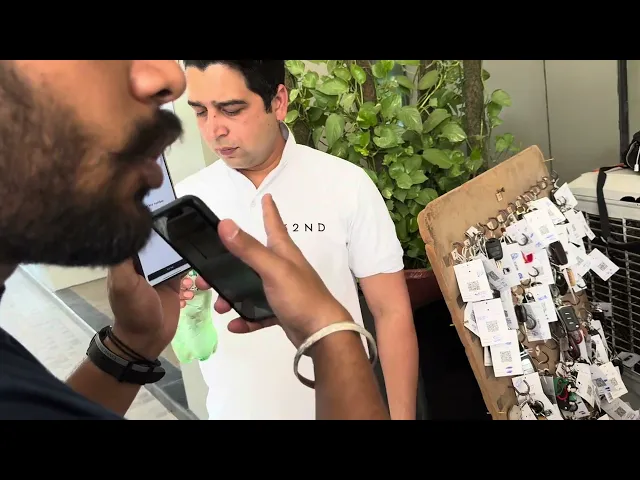
To test whether controllers were truly necessary, I went out of the meeting rooms and shadowed the system on the ground.
To test whether controllers were truly necessary, I went out of the meeting rooms and shadowed the system on the ground.
Observing Controllers
Observing the Controller
At the porch and parking zones, controllers looked busy: flipping registers, writing tag IDs, shouting instructions. But the cracks appeared quickly:
Porch Controllers: their role overlapped almost completely with guards and supervisors. They weren’t solving traffic, they were duplicating it.
Parking Controllers: each recall meant flipping through pages to match tag IDs with hook numbers. On average, 50 seconds per task. With multiple valets waiting in line, this desk became the choke point.
At the porch and parking zones, controllers looked busy: flipping registers, writing tag IDs, shouting instructions. But the cracks appeared quickly:
Porch Controllers: their role overlapped almost completely with guards and supervisors. They weren’t solving traffic, they were duplicating it.
Parking Controllers: each recall meant flipping through pages to match tag IDs with hook numbers. On average, 50 seconds per task. With multiple valets waiting in line, this desk became the choke point.
Observing Controllers

Observing Valets
Observing Valets
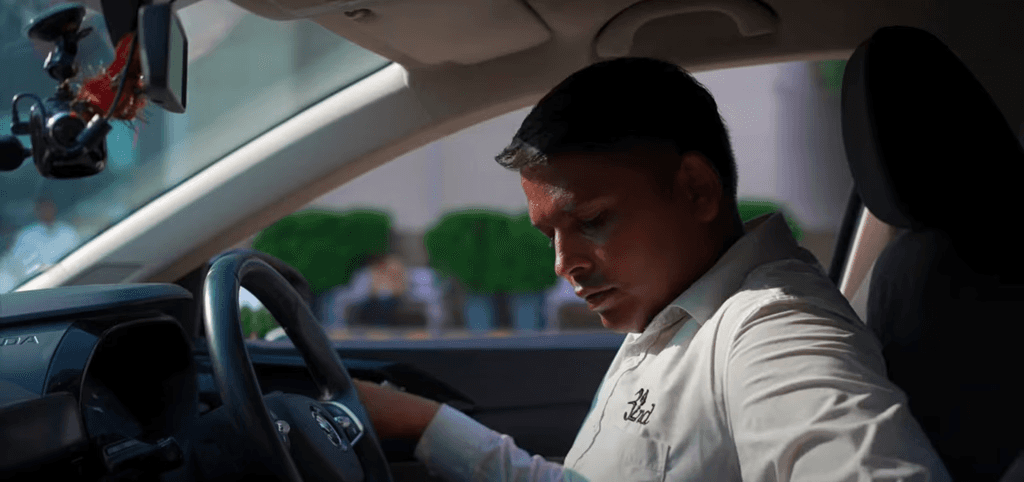
Valets spent as much time waiting as working. They stood idle, sometimes 4–5 at a time, just for a controller to “authorize” their next task.
Valets spent as much time waiting as working. They stood idle, sometimes 4–5 at a time, just for a controller to “authorize” their next task.
Talking to Supervisors
Talking to Supervisors
Supervisors were pragmatic. They admitted controllers added overhead but were kept because “that’s how it has always worked.” When I showed them how much time and cost was being lost, they leaned in.
Supervisors were pragmatic. They admitted controllers added overhead but were kept because “that’s how it has always worked.” When I showed them how much time and cost was being lost, they leaned in.
Listening to Customers
Listening to Customer
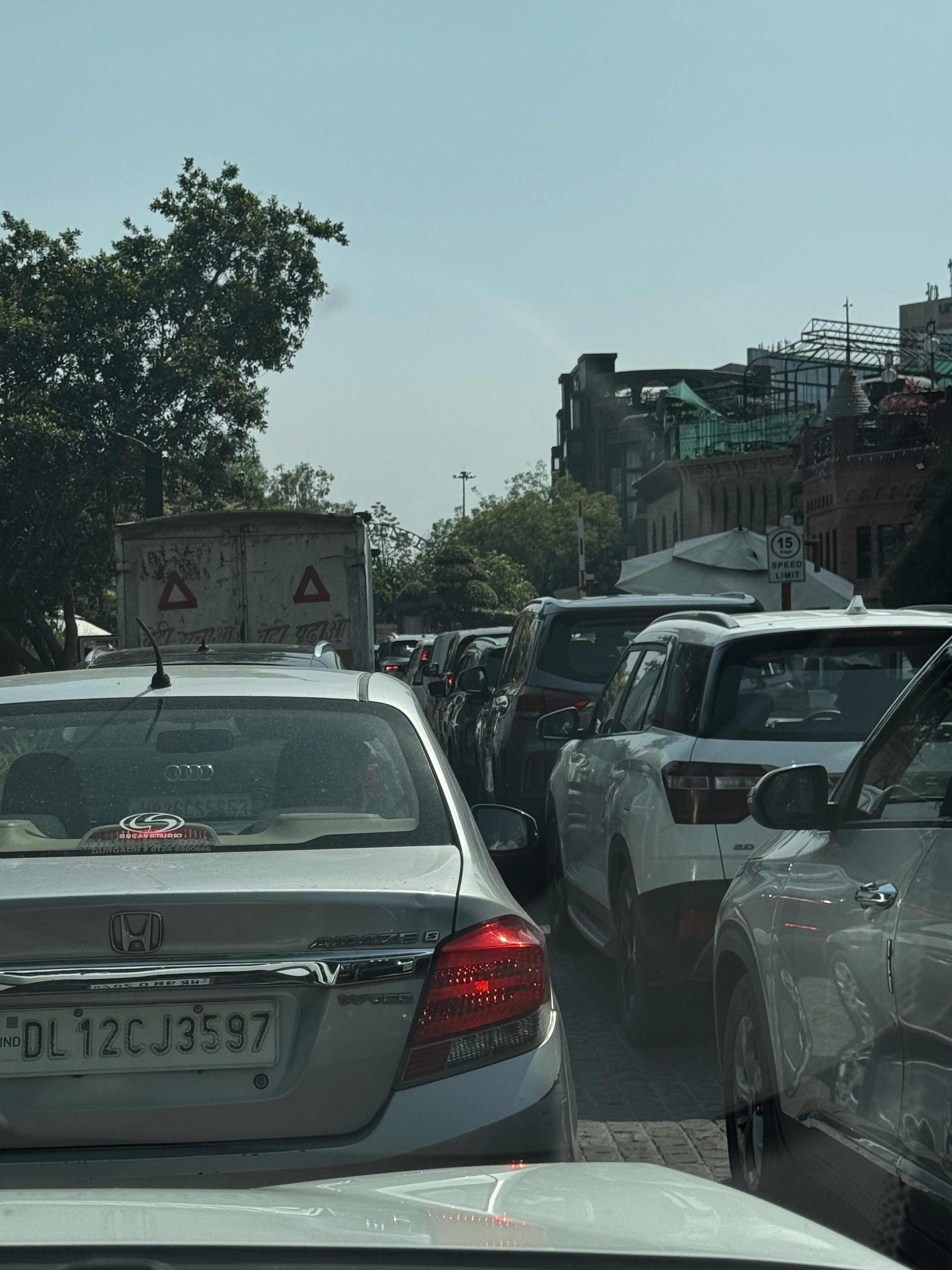
While I didn’t interview customers directly for this scope, I noted how delays rippled out. Cars piled up at the porch, customers kept asking valets, “Where is my car?” The inefficiency upstream was visible to the end user.
While I didn’t interview customers directly for this scope, I noted how delays rippled out. Cars piled up at the porch, customers kept asking valets, “Where is my car?” The inefficiency upstream was visible to the end user.
Key Insight
Key Insight
Controllers weren’t enabling flow, they were blocking it.
Valets were capable of owning tasks end-to-end if given the right tools.
Supervisors were willing to support the experiment if accountability was built into the system.
Controllers weren’t enabling flow, they were blocking it.
Valets were capable of owning tasks end-to-end if given the right tools.
Supervisors were willing to support the experiment if accountability was built into the system.
Before Designing, knowing the persona
Before Designing, knowing the persona
User Persona 1
User Persona 1
Arjun Kumar — The Tech-Savvy Valet
Arjun Kumar — The Tech-Savvy Valet
Age
Age
27
27
Role
Role
Valet Driver (3 years of experience)
Valet Driver (3 years of experience)
Personality
Personality
Fast, ambitious, curious about new tools. Already uses UPI, Swiggy, and YouTube comfortably.
Fast, ambitious, curious about new tools. Already uses UPI, Swiggy, and YouTube comfortably.
Goals
Goals
Wants to maximize throughput to earn more. Craves autonomy — hates waiting for controllers.
Wants to maximize throughput to earn more. Craves autonomy — hates waiting for controllers.
Painpoints
Painpoints
Idle time kills his flow state. No way to see performance metrics or incentives.
Idle time kills his flow state. No way to see performance metrics or incentives.
User Persona 2
User Persona 2
Rakesh Sharma — The Veteran Valet
Rakesh Sharma — The Veteran Valet
Age
Age
44
44
Role
Role
Valet Driver (15+ years experience)
Valet Driver (15+ years experience)
Personality
Personality
Dependable, disciplined, less experimental with tech but confident with QR after years of using UPI. Respected by peers for experience.
Dependable, disciplined, less experimental with tech but confident with QR after years of using UPI. Respected by peers for experience.
Goals
Goals
Wants stability, clarity, and fewer disruptions in his workflow. Prefers simple, reliable systems over complex new processes.
Wants stability, clarity, and fewer disruptions in his workflow. Prefers simple, reliable systems over complex new processes.
Pain Points
Pain Points
Hates paperwork and register lookups. Doesn’t want to argue with customers when delays aren’t his fault. Needs reassurance that digital tools won’t overcomplicate his job.
Hates paperwork and register lookups. Doesn’t want to argue with customers when delays aren’t his fault. Needs reassurance that digital tools won’t overcomplicate his job.
Summary
Summary
Arjun represents the younger generation of valets who push for autonomy and higher throughput.
Rakesh represents the older workforce who may resist change unless it feels intuitive.
Designing with both in mind ensured the system worked for all valets, not just the digital natives.
Arjun represents the younger generation of valets who push for autonomy and higher throughput.
Rakesh represents the older workforce who may resist change unless it feels intuitive.
Designing with both in mind ensured the system worked for all valets, not just the digital natives.
Action Time,
Action Time,
Brainstorming
Brainstorming
While designing my idea is to not stick with just one approach to solve something.
With our objective clear that we need to explore multiple ways to eliminate controllers and give valets autonomy. I thought of multiple ideas:
Geofencing Valets : Logged tasks via GPS geofencing on valets’ phones.
Pros: Passive, automatic, no scanning.
Cons: GPS drift indoors, battery drain, unreliable in basements.
Persona Fit:
Arjun: Interested, but complained about battery.
Rakesh: Didn’t trust “invisible” tracking.
Bluetooth Beacons : Installed at zones, matched tasks by proximity.
Pros: Accurate indoors, passive, no action needed.
Cons: Expensive hardware, calibration issues, intent unclear.
Persona Fit:
Arjun: Skeptical of accuracy.
Rakesh: Found it confusing.
QR Scan via Phone : Valets scan QR codes to end and pick new tasks with their personal phones, the QR refreshes every 15 seconds.
Pros: Cheap, scalable, mirrors UPI behavior, clear intent.
Cons: Needed discipline to avoid spoofing.
Persona Fit:
Arjun: Loved it — instant and mobile.
Rakesh: Quickly adopted since QR felt intuitive.
While designing my idea is to not stick with just one approach to solve something.
With our objective clear that we need to explore multiple ways to eliminate controllers and give valets autonomy. I thought of multiple ideas:
Geofencing Valets : Logged tasks via GPS geofencing on valets’ phones.
Pros: Passive, automatic, no scanning.
Cons: GPS drift indoors, battery drain, unreliable in basements.
Persona Fit:
Arjun: Interested, but complained about battery.
Rakesh: Didn’t trust “invisible” tracking.
Bluetooth Beacons : Installed at zones, matched tasks by proximity.
Pros: Accurate indoors, passive, no action needed.
Cons: Expensive hardware, calibration issues, intent unclear.
Persona Fit:
Arjun: Skeptical of accuracy.
Rakesh: Found it confusing.
QR Scan via Phone : Valets scan QR codes to end and pick new tasks with their personal phones, the QR refreshes every 15 seconds.
Pros: Cheap, scalable, mirrors UPI behavior, clear intent.
Cons: Needed discipline to avoid spoofing.
Persona Fit:
Arjun: Loved it — instant and mobile.
Rakesh: Quickly adopted since QR felt intuitive.
Stakeholder Alignment
Stakeholder
Alignment
We chose QR Scan Flow because it was:
Low-cost (no heavy hardware).
Scalable across parking zones.
Valet-intuitive, thanks to UPI familiarity.
Captured intent explicitly (scan = I own this task).
We chose QR Scan Flow because it was:
Low-cost (no heavy hardware).
Scalable across parking zones.
Valet-intuitive, thanks to UPI familiarity.
Captured intent explicitly (scan = I own this task).
Userflows
Userflows

Wireframes
Wireframes
For a valet to end a parking task
For a valet to end a parking task

Wireframes
For a valet to start a recall task
For a valet to start a recall task

iPad App | QR Code
iPad App | QR Code
The supervisor needs to set up the iPad once during the start of the day at the parking locations.
The supervisor needs to set up the iPad once during the start of the day at the parking locations.

Valet App | Parking Task
Valet App | Parking Task
The valet upon reaching location scans the QR on the iPad to end their task.
The valet upon reaching location scans the QR on the iPad to end their task.

Valet App | Recall Task
Valet App | Recall Task
The valet scans the QR on the iPad to pick a new task.
The valet scans the QR on the iPad to pick a new task.

Final Impact,
Final Impact,
Clear Impact
Clear Impact
By removing controllers, we gave valets direct ownership of task assignment and key management.
This shift:
Reduced manpower cost per car by 30%
Increased ARPU by 20%
Doubled valet throughput from ~3 to 6 tasks/hour on peak days
Allowed supervisors to step back into lighter oversight roles
By removing controllers, we gave valets direct ownership of task assignment and key management.
This shift:
Reduced manpower cost per car by 30%
Increased ARPU by 20%
Doubled valet throughput from ~3 to 6 tasks/hour on peak days
Allowed supervisors to step back into lighter oversight roles
Learnings
Learnings
Using our learnings from this change, we were later able to remove the cashier role as well — empowering valets and supervisors to handle cash collection directly.
Using our learnings from this change, we were later able to remove the cashier role as well — empowering valets and supervisors to handle cash collection directly.
Behind the Scene,
Behind the Scene,
Valet Product Handover
Valet Product Handover